Children are back in the classrooms, running around playgrounds and playing sports. However, children, like adults, can be prone to back pain, and there can be several causes.
The most common causes of joint and back pain in school children are:
Lack of exercise or excessive exercise
Weight of school bags
Bad posture
Poorly set up desks
Use of a computer or computer games
Sports injuries
Ill-fitting shoes/improper shoes
Lack of exercise and excessive exercise
The general finding from various studies is that children involved in competitive sports and those who are sedentary are more prone to getting low back pain while those that participated in moderate activity were protected. The children involved in competitive sports run the risk of getting repetitive strain injuries. Those children who are sedentary are often those who sit and watch a lot of television or play on a computer. The implication of this will be discussed below.
Weight of school bags
School bags are exceptionally heavy for those attending secondary school due to the number of different subjects covered and therefore the number of textbooks required and the fact the children often have to move between classes. Not all children have access to lockers, which mean that books have to carried with them. Bags carried on one shoulder causes an asymmetry of the body and therefore certain muscles will have to tighten and others lengthen in order to carry the bag. These kind of imbalances can cause long-term problems.
Bad posture
All aspects of life can induce bad posture; lack of exercise, weight of school bags, spending too much time playing computer games or on the computer, incorrect shoes, and growth. Those children who grow faster and become taller than their peers may slouch in order to not tower above their friends and this can ultimately lead to bad posture.
Poorly set up desks
Whether at school or home, ill fitting desks can lead to bad posture. School desks and chairs cannot cater for the individual heights of children and, as mentioned earlier, the children often have to move between classes. The desks and chairs are uniform and unable to be altered to the child’s individual needs. Guidance on correct desk set up should be implemented at home; not just for the kids but also for everyone in the family who uses the desk. At school this can’t be done, but by advising the child to sit upright and not to slouch and not to cross the legs will help.
Use of a computer or computer games
Any body position requires certain muscles to shorten and others to lengthen. This occurs every time we move. If we were to stay in one position for too long those muscles will eventually stay that particular length. When children play on computer games it quite often requires time. This leads to the above situation with muscles. Children should be encouraged to not spend longer than 30-40 minutes at any one time playing games, using a computer, or even doing homework before having a break. The child should spend a few minutes walking around and then returning to the game/homework by reviewing their posture and sitting correctly.
Sports injuries
Those children who play a lot of sport and those who play contact sports such as rugby may be injured either by direct contact or by overuse of certain muscles. If a child is injured it is advisable that they are seen by a chiropractor as problems unresolved can lead to compensations, ie walking differently due to sprained ankle leading to low back pain, a rugby tackle causing neck pain and headaches.
Ill-fitting shoes/improper shoes
Children are conscious of fashion, which can affect their shoe wear. Girls particularly may wear shoes with a high heel. This causes the calf muscles to shorten and pushes the body forward. To prevent falling over the girl would have to lean back and causing an increase in the low back curvature which can not only cause low back pain but also pain between the shoulder blades.
Wearing improperly fitting shoes can cause many problems from blisters, pressure sores and ingrowing toenails in the short-term, to feet deformities like hammer toe, and knee and posture problems in the long-term. It can take up to 18 years for feet to fully develop, so teenagers feet need to be looked after just as much as younger children’s.
Shoes should be the correct size and offer the right amount of support. When purchasing new shoes, get the child’s feet correctly sized by the shop assistant and ensure that the shoes are the correct length as well as width.
Here’s some advice to help your child:
Rucksacks should be worn across both shoulders and the straps adjusted so the bag is held close to the body.
If a locker is available, encourage your child to use it and ensure they only take the books and equipment needed for that day.
Check their shoes are correctly fitted, supported, relatively flat, and are not too worn.
Encourage your child to enjoy regular exercise, such as swimming and cycling.
Use of the computer, playing computer games and homework should be in blocks of no more than 30-40 minutes. Advise them to have a little walk before returning and again that they sit with their shoulders down and back (not slumped) and their legs are uncrossed.
See a chiropractor if your child is experiencing pain or discomfort, or even just to get a check up.
The gut, often referred to as our “second brain,” plays a vital role in our overall health, from digestion to immune function and even mental well-being. Let’s unpack how you can nurture your inner ecosystem for optimal gut health.
Understanding the Gut-Health Connection
The intricate ecosystem within our digestive system, comprising of trillions of microbes, influences our health in numerous ways. Poor gut health has been linked to digestive disorders, inflammation, weakened immunity, and even mental health issues. Fortunately, with a few dietary and lifestyle tweaks, you can cultivate a thriving gut environment and enjoy the benefits of a healthier, happier you.
Embrace a Plant-Centric Diet
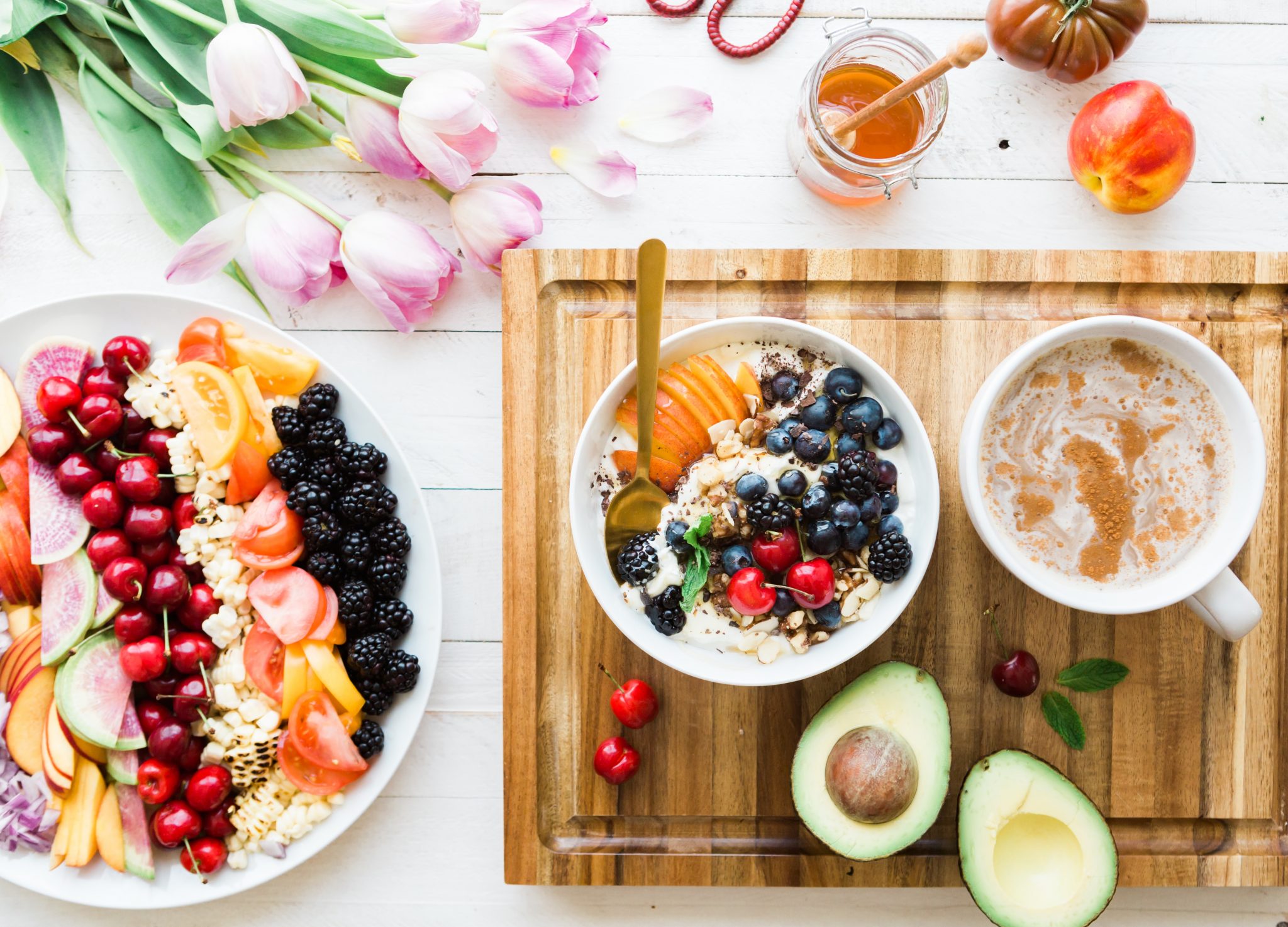
Plant-based foods are the heroes of gut health. Fill your plate with a rainbow of fruits, vegetables, whole grains, legumes and nuts. These fibre-rich foods nourish beneficial gut bacteria, promote regular bowel movements and provide essential vitamins and minerals for optimal digestive function.
Include Fermented Foods
Fermented foods are gut health superstars. It is well worth Incorporating foods like yogurt, kefir, sauerkraut, kimchi, and kombucha into your diet. These probiotic-rich delicacies introduce beneficial bacteria to your gut, fostering a diverse microbiome and enhancing digestion and nutrient absorption.
Reduce Processed Foods and Added Sugars
Bid farewell to heavily processed foods and excessive added sugars. These culprits can disrupt the balance of gut bacteria, contribute to inflammation, and compromise digestive health. Opt for whole, unprocessed foods and natural sweeteners like honey or maple syrup in moderation.
Stay Hydrated
Proper hydration is key to a healthy gut. Water aids digestion, promotes regular bowel movements, and helps maintain the optimal balance of digestive juices. Aim to drink at least 8 glasses of water a day, and consider herbal teas or infused water for added flavor and benefits.
Manage Stress
Believe it or not, stress can wreak havoc on your gut health. Chronic stress disrupts the delicate balance of gut bacteria and impairs digestive function. Incorporate stress management techniques such as meditation, deep breathing exercises, regular exercise, or engaging in hobbies that bring you joy.
Prioritise Sleep
Quality sleep is a vital component of gut health. Aim for 7-8 hours of uninterrupted sleep each night. Poor sleep has been linked to imbalances in gut bacteria and increased susceptibility to digestive issues. Create a relaxing bedtime routine and optimise your sleep environment for a restful night’s sleep.
Move Your Body
Regular physical activity is not only beneficial for your overall health but also supports gut health. Exercise helps stimulate digestion, improve bowel regularity and reduce inflammation. Find activities you enjoy, such as walking, yoga, dancing, or cycling, and aim for at least 30 minutes of moderate exercise most days of the week.
Mindful Eating
Slow down and savour your meals. Engage your senses, chew your food thoroughly, and be mindful of your hunger and fullness cues. Mindful eating promotes better digestion, aids nutrient absorption, and allows you to fully enjoy and appreciate your food.
Experiment with Gut-Friendly Foods
Certain foods can be particularly beneficial for gut health. Consider incorporating ingredients like ginger, turmeric, garlic, onions and olive oil into your meals. These ingredients possess anti-inflammatory and antimicrobial properties that support a healthy gut ecosystem.
Seek Professional Guidance
If you’re experiencing persistent gut health issues, please seek a healthcare professional for how to move forward.
Adjusting to this new hybrid lifestyle hasn’t been easy. Often our new routines not only include excessive hours at the computer without interruptions but access to a lot of delicious food, horizontal bingeing, and restricted physical activity, which can quickly negatively affect our bodies.
LOWER BACK AND HIPS PAIN
Complaints of lower back pain and hip tightness are on the rise, due to our less-than-active lives. The lower back is naturally curved inward; when it takes on an unnatural position for an extended amount of time, it can cause fatigue of the muscular tissues, leading to lower back pain. Sitting on a couch or bed working all day or just watching TV for weeks or months will eventually overload the hips, causing them to become tighter and less mobile.
The best ways to release tension and relax those muscles is to move often and take make sure you have a daily walk to stretch and release muscle tightness. Yoga is also a great way to remove lower back tension; the upward dog pose is perfect in releasing the hips of our weight and giving the lower and upper back a deep stretch.
TECH PAINS
The idea of working from home seems like a great change for our health and wellbeing, especially for those working in crowded offices. Unfortunately, the reality of working from home can be more challenging than expected. From sharing small apartments to hectic home-schooling days, finding a quiet room equipped to work can be difficult.
Many have been using their couches or chairs as desks, hunching over their computers and neglecting their spinal health. If a desk at a proper height is not available, or a chair with good back support is missing from the house, practise some hip-flexor stretches. Hip-flexor stretches release lower back tension, while regular standing breaks improve overall circulation.
HEADACHES
We look at our phones and technology every day. Every year, the average screen time has increased for most people. The combination of collective stress and anxiety, with increased screen time and a lack of movement has caused many to experience headaches and neck/shoulder tightness. The more our heads strain down to read from a phone or computer screen, the more weight our necks need to support. This can cause tension-type headaches and neck pain.
To strengthen the neck muscles, stand with your back and head against a wall, tucking in the chin and gently pushing the head back, using the wall for resistance. Hold for three seconds, then release for three seconds, and repeat 10-15 times.
Try some easy at-home stretches and vary your posture and position every hour. Take advantage of daily walks to breathe in fresh oxygen and get your legs moving. Small but targeted changes to our daily routine can help us stay away from muscle pains.
Due to Alex and Ruth taking some annual leave – the clinic will be running on shorter hours: Monday 17th October 2022 11:00hrs- 14:00hrs, Tuesday 18ths October 2022 12:00- 20:00hrs, Wednesday 19th October 2022 08:00hrs – 17:00hrs, Thursday 20th October 2022 08:00hrs – 17:00hrs, Friday 21st October 2022 08:00-12:oohrs, Saturday 22nd October 2022 Closed, Normal hours will resume Monday 24th October 2022
Here are the dates for our November/ December bring and buy cake bake and craft sales: Weeks beginning: 7th November Bring and buy cake sale, Craft sales 14th, 21st and 28th. December 7th, 14th 21st 2022
If you have a micro business or hobby that you want to showcase sign up for a slot – just £5 for the tabletop for the week – keep your own profits. Contact reception to secure your place – book early to avoid disappointment.
100 Miles sponsored swim– Join Alex in swimming 100 miles over the next year – from 1st April 2022 to 31st March 2023. Join as a family, a patient group or do it solo. Get your sponsorship form and length recorder from reception or email alex@beestonchiropractic.co.uk for a printable version. Collect sponsors from family and friends and record every length you do – it can be in a lesson, a competition or swimming for pleasure – mark the lengths down, calculate the distance depending on your pool size and aim for that 100-mile goal. (That’s 160934m or 6,438 lengths of a 25m pool). Newly added: 100-mile activity – what will you do??
Craft stalls – are you passionate about a craft either as a hobby or run a micro-business? – why not display your work on our tabletop in reception. We are offering you a tabletop for one week in the clinic to display and sell your work – anything goes from jewellery to cards to lovingly grown plants that you want to sell. We will be running this event throughout May and June 2022 and if successful offer another opportunity for you to book again in November/ December 2022 nicely in time for Christmas. We just ask for a £5 donation for our tree fund and you get to keep all of your own profits. Dates:
Our craft stall starts this month and each runs Monday from 11 am to Saturday 12 noon we have:
Cats Protection 9th
May
Handmade glass and silver
jewellery 16th May
Bring and buy
cake sale open to all 23rd May* see website or ask at reception for
T&Cs
Handcrafted cards 6th June
Decorated cakes 13th
June
Crafted gift ideas 20th
June
Feel free to pop in during clinic hours in even if you haven’t got an
appointment to support these lovely businesses and charities. Cash only sales please
To pay and confirm your date slot please use the GoFundMe link : https://gofund.me/6b6eaa55 For more information or to book your week please email alex@beestonchiropractic.co.uk
Bring and buy cake stall – scheduled now for week beginning Monday 23rd May 2022 so get baking and munching. Please take note of the advice below: Please can you ensure cakes are individually wrapped and cupcakes or traybake slices are sealed in a 2, 4 or 6 piece pack. All products should display ingredients to assist with allergy advice, please. Cash purchases are preferred of use the GoFundMe link to buy your cake : https://gofund.me/6b6eaa55 For further information contact alex@beestonchiropractic.co.uk
Free entry:Logo design competition– are you under 18 years old? Do you like art and design? Would you like to have a tree in our copse just for you? This will be the winning design prize. Every entry will get a free ice pack. We are looking for some talented youngsters to design a logo for the clinic 30 trees for 30 years in Beeston. The following criteria are preferred: A single colour, A simple single line drawing , Include Beeston Chiropractic Clinic, 30 years, some sort of slogan eg. “30 trees for 30 years” text. Submit your entry by emailing it to alex@beestonchiropractic.co.uk or handing it in to reception before the closing date. Entries close end May 2022
Cortisol is the body’s main stress hormone and is well-known for triggering the “fight or flight” response in our bodies when we are stressed. However, cortisol is also responsible for regulating a wide range of processes throughout the body.
What is cortisol?
Cortisol is a steroid hormone produced in the adrenal glands, which is then released into the blood and transported around the body.
What does cortisol do?
Almost all our cells contain receptors for cortisol, meaning it plays an important role in several things your body does. For example, cortisol:
Manages how your body uses proteins, carbohydrates, and fats
Regulates blood pressure
Increases blood sugar
Keeps inflammation down
Controls your sleep/wake cycle
Boosts energy
The short-term release of cortisol can give your body energy to fight or flee from a stressor, but it is possible for our cortisol levels to become unbalanced.
Too much stress
Usually, cortisol levels balance when the stress your body was reacting to passes. However, when cortisol levels are too high for too long, the hormone can have a negative impact on your body.
There are some health issues associated with high levels of cortisol over a prolonged period, including:
Weight gain
High blood pressure
Insomnia or difficulty sleeping
Mood irregularities
In women, this can impact periods causing them to become irregular, less frequent or stop altogether.
Cortisol levels have also been linked to conditions like anxiety or depression.
Managing cortisol levels
There are some lifestyle habits that can help you to manage cortisol levels.
Sleep
Getting the right amount of sleep can be an effective way to reduce cortisol levels. Several things can be done to optimise your sleep, such as limiting caffeine intake, avoiding nicotine or alcohol, and implementing a regular sleep schedule.
Exercise
Exercise can increase or decrease cortisol, depending on the intensity. Intense exercise can increase cortisol levels afterwards, which will decrease a few hours later.
However, regular exercise can also help with managing stress and promoting good health, which may help lower cortisol levels.
Eating a nutritious diet
When trying to lower cortisol levels, it is important to eat a healthy and balanced diet, paying attention to sugar intake. Fruits, vegetables, healthy fats, and even dark chocolate are thought to be helpful for managing cortisol.
Similarly, it is important to ear on a regularly because low blood sugar can increase cortisol.
Staying hydrated
Dehydration has been linked to temporary increases in cortisol levels, meaning it is important to drink enough water throughout the day.
Breathe
Deep breathing is a simple and effective way to reduce stress. It can stimulate the parasympathetic nervous system, which is associated with relaxation and lower cortisol levels. Meditation or yoga are just two examples of ways to practice deep breathing.