Could your mattress be the cause for your back pain? It’s time for a change!
While buying a new mattress can be a costly investment, it is important to take note of the signs that it needs replacing to reduce back and neck pain which can be triggered by a bad mattress. This is usually down to people only changing their mattress once every ten years, despite recommendations to do so every seven years, as advised by venerable sources such as the Sleep Council.
How often you change a mattress depends on lots of factors, including your weight and how well you care for your mattress. As soon as your mattress stops supporting your back, know that it’s time to get a new one.
5 signs that it’s time to change your mattress:
You wake up feeling stiff or aching.
You had a better night’s sleep somewhere else.
Your mattress is misshapen or sagging.
Your mattress creaks when you move.
You can feel individual springs.
4 factors to remember when choosing a new mattress:
Choose a mattress that supports your weight; a heavier person will need a more supportive mattress than someone who is lighter in weight.
Test your mattress before buying; your spine should be parallel to the mattress when lying on your side. Make sure your spine doesn’t sag, as this is a sign your mattress is too soft, or bow, as this is a sign that it’s too hard.
When selecting a suitable pillow, make sure it allows your neck to become a continuation of the straight spine created by your well-suited mattress, making sure that your neck neither too high or too low.
If you share a bed with your partner, make sure they are with you at the time of purchasing your mattress. Your ideal mattress tensions could be different. If this is the case, try buying from a range that allow two single mattresses to be zipped together so that you both get the support you need.
Inflammation: it’s a natural process that happens in our body to help us heal from injury and help our immune system fight off invaders.
But too much inflammation – or inflammation that lasts longer than it should – can be a problem. Most importantly for chiropractors, inflammation is a factor in many types of pain, including joint and muscle pain, arthritis, back pain, and pain from an injury that won’t go away.
Inflammation overload also plays a role in other problems such as skin conditions, and even in serious health conditions such as heart disease, diabetes and Alzheimer’s disease.
While there are many things that can contribute to too much inflammation, one factor we can control is what we eat and drink.
So, here are five food-related tips to help you keep inflammation at bay.
Load up on colourful fruit and veg
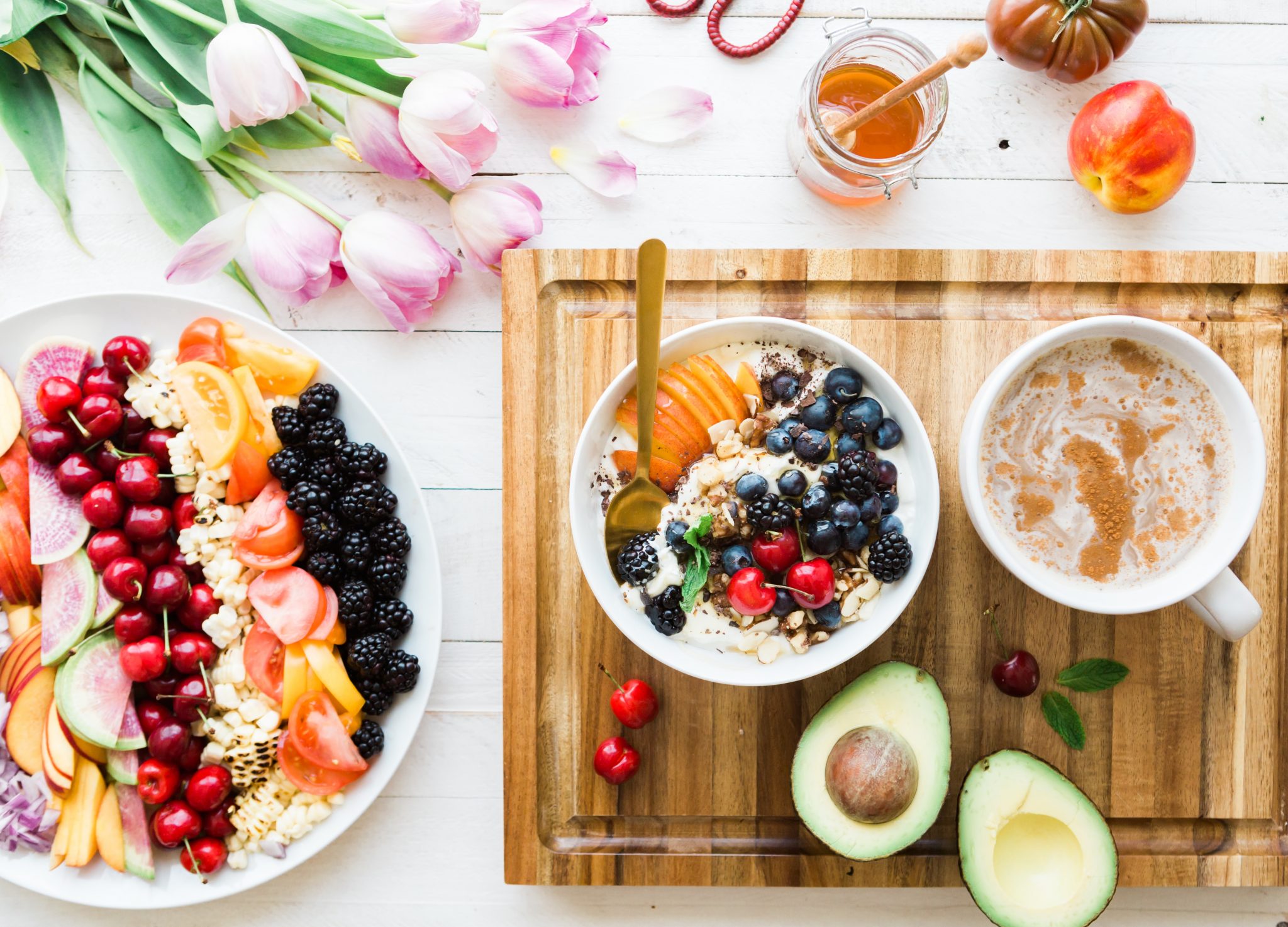
Most fruit and vegetables have great anti-inflammatory properties, thanks to their unique ‘phytonutrients’ such as flavonoids and carotenoids. These compounds are often responsible for vivid colours of fruit and veg, so you’ll find tons of flavonoids in purples and reds (think red cabbage, berries and pomegranate) and lots of carotenoids in oranges, light reds, yellows and greens (e.g. carrots, squash, tomatoes, peppers, and dark green leafy veg such as kale and spinach). So, think about ‘eating a rainbow’ of fruit and veg – not just a cliché, especially when it comes to beating inflammation.
Ideally, eat more vegetables than fruit, as the sugars in fruit can add up. And eat wholefruit rather than drinking it in juice form.
Eat lots of oily fish
Oily fish are anti-inflammatory superheroes thanks to the omega-3 fats they contain.
Oily fish include salmon, sardines, mackerel, anchovies, herring, trout and fresh (not tinned) tuna. Aim to eat three servings a week of one or more of these fish to build up your omega-3 stores.
Plant omega-3s such as those found in flaxseeds and chia seeds and their oils don’t have exactly the same benefits, as they provide a different type of omega-3. But they’re still healthy choices to include in our diet, and can be a substitute if you can’t eat fish.
Keep it ‘real’
Generally speaking, the less you rely on processed foods, and the more you eat ‘real’ foods, the better.
‘Processed’ foods tends to mean anything that’s been made in a factory instead of being brought to you fresh or simply packaged. Processed foods also include junk foods, think supermarket baked goods, processed cheeses, most breakfast cereals, packet soups and ready meals. Junk food is not only generally low in natural vitamins, minerals and anti-inflammatory nutrients, they often contain added sugar or salt, as well as chemical additives.
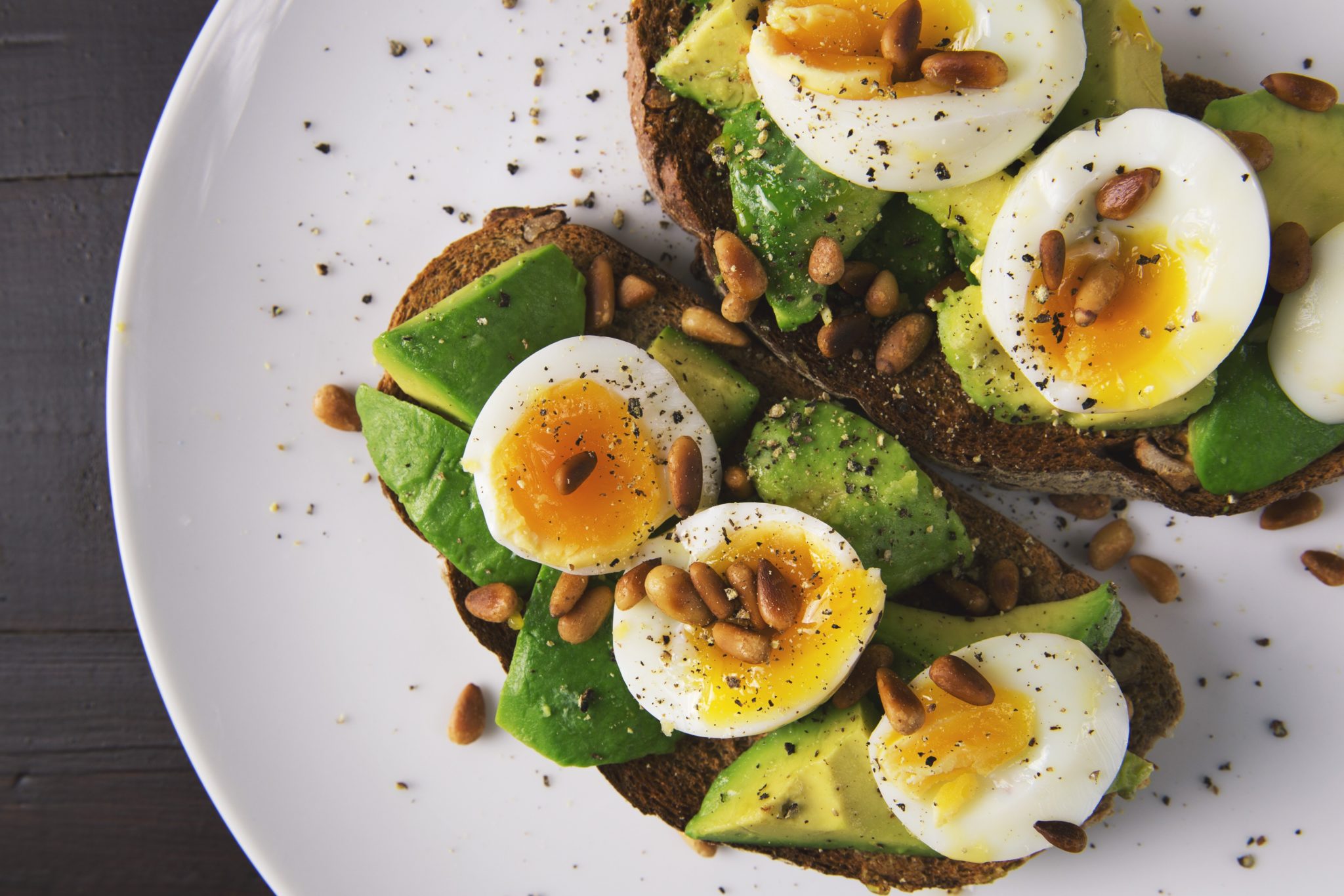
‘Real foods’, include vegetables and fruit, whole grains such as brown rice, beans and lentils, unroasted nuts and seeds, and minimally processed animal foods such as eggs, fish, whole cuts of meat and pure cheese or milk.
Switch your vegetable cooking oils
It is best to switch all refined cooking oils such as sunflower oil and anything labelled as ‘vegetable oil’ for more healthy options.
But how can they be bad for us, when they’ve long been touted as a healthy alternative?
Well, one problem is that polyunsaturated fats in their refined liquid form are quite fragile. When they’re heated to high temperatures during the refining process and cooking, they can easily become damaged. These damaged molecules may trigger more inflammation or ‘free radical’ damage in our own bodies when we consume too many of them.
The second problem is that vegetable oils tend to contain a very high proportion of omega-6 fatty acids. Now, while these are essential fats, when we get a lot of them in our diet, they can have an overall pro-inflammatory effect (i.e. encouraging inflammation), especially when we’re getting a lot more omega-6 than omega-3 fatty acids.
So what can you use instead of vegetable oil? Well, a good choice for cooking is coconut oil. It contains primarily saturated fats, which – contrary to what you might think – are actually the safest and healthiest fats for high-temperature cooking such as roasting, frying or stir-frying, as they’re stable and have a high smoke point.
Olive oil is a great option for lower-temperature sautéing and for drizzling on salads or using in dressings. Olive oil is made up primarily of monounsaturated fats, which are more stable than polyunsaturated, and has been linked to numerous health benefits – for our heart in particular.
Spice it up
Many spices have natural anti-inflammatory activity, with winners including turmeric and ginger. Add them liberally to homemade curries and Asian dishes (use coconut oil rather than vegetable oils, of course!). Make them into hot drinks, such as homemade turmeric latte or fresh ginger tea; or find them in the form of herbal teas.
Tip: if you’re buying powdered spices, seek out organic rather than just settling for your average supermarket version for the greatest benefits. And note the colour of your turmeric: it should be an almost fluorescent orange-yellow colour if it’s a good quality one.
With shorter days and colder weather, finding the motivation to stay healthy and fit can be difficult. And that can lay the foundation for a weakened immune system, posing a greater risk of developing illness or injury. No wonder they call it the winter blues! Here are some easy tips on exercise, diet, health and wellness that you can follow during the cold season.
Start a Keto diet
The ketogenic diet (or keto diet, for short) is a low-carb, high-fat diet that offers many health benefits. In fact, over 20 studies[1] show that this type of diet can help you lose weight and improve your health. It involves drastically reducing carbohydrate intake and replacing it with fat. This reduction in carbs puts your body into a metabolic state called ketosis.
When this happens, your body becomes incredibly efficient at burning fat for energy. It also turns fat into ketones in the liver, which can supply energy for the brain. Ketogenic diets can cause massive reductions in blood sugar and insulin levels. This, along with the increased ketones, has numerous health benefits. Ketogenic diets may even have benefits against diabetes, cancer, epilepsy and Alzheimer’s disease.
Add Omega 3 fatty acids
Omega 3 fatty acids are a healthy type of fat that are naturally found in many food types including fish, plant seeds and nuts. Omega 3 fatty acids are great for reducing joint pain and stiffness as they are a natural anti-inflammatory”. Studies[2] have also shown that omega 3 fatty acids help lower levels of depression, which people commonly feel during the shorter, darker days of winter.
Cook with Spices and Spice Related Foods
Onions, garlic, ginger and turmeric are the perfect items to add flavour to your dishes. Not only do they make food taste great, but they’re also shown to help improve immune function. Fresh garlic, ginger and onions are more than flavouring. Using all three together has a synergistic effect on lowering cholesterol and blood pressure. Turmeric is a spice traditionally used in Chinese and Indian medicine. This spice helps to combat a number of conditions including inflammation and heart disease, and it also acts as a powerful antioxidant.
Plan your Workouts
If you don’t feel in the mood for fitness, you can do exercises at home. There are plenty of resources online that supply workout videos and exercises. These resources offer a variety of workouts including yoga, strength training, aerobics and other body-weight exercises. But try to stick to a weekly exercise plan so you don’t put off your regular exercise activities. On Sunday night, write down your exercise schedule for the next seven days. Choose your exact workout routines, activities or exercises for each day and how long they will be. Knowing what you’re scheduled to do each day ahead of time makes it easier to stick to.
Head to a Steam Room or a Sauna
If you begin to feel yourself experiencing depression or higher levels of stress after the holiday season, steam rooms and saunas can help. They help tense muscles to relax, which can alleviate feelings of stress. The high temperatures also get you working up a sweat, which is a great way to detoxify your body and your skin.
Frequent Hand Washing and Vitamin C
Frequent hand washing throughout the day and consuming lots of vitamin C are an absolute must in maintaining your health during the winter.
Not only do they help protect your immune system and prevent you from developing flu and colds, they also protect others around you.
Back pain is the second most common reason to visit the GP, with almost eight out of 10 of us experiencing it at least once in our lives. It’s also the number one cause of sick leave – and sufferers are getting younger. Chronic back pain has been called a modern epidemic – so how do we help prevent and manage it?
It rarely has a serious cause, usually being brought on by bad posture, awkward sleeping positions, and other lifestyle habits. Exercise is one of the best ways to help reduce back pain and keep it from returning.
Stretching, strengthening, and conditioning exercises can result in stronger muscles that support the spine and your body’s weight. When your skeleton is supported, you are less likely to suffer injury and back pain. Take a look below for five useful exercises to beat back pain:
Pelvic Tilt
You need to take care of the core muscles that support your spine. There are many workouts for back pain that do this, and your doctor or therapist should be able to give you specific advice and training for your unique back pain condition.
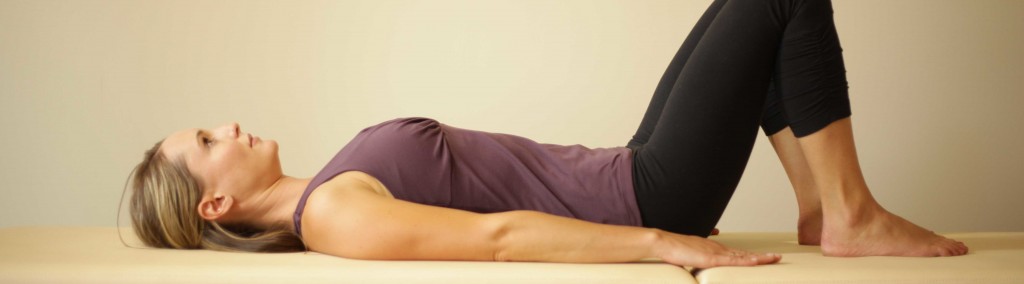
A good example of a safe strengthening exercise is the pelvic tilt. To do this exercise, lie on your back with your knees bent. Tighten your stomach muscles until you can press the small of your back flat against the floor. Hold the press for about five seconds and repeat up to 10 times.
Stretches
Keeping your core muscles limber is as important as keeping them strong. Two good stretching exercises are the knee-to-chest and the hamstring stretch.
To do the knee-to-chest, lie on your back with your knees bent and feet flat on the floor. Bring one knee up to your chest and use your hands to pull the knee close while flattening out your back; then repeat with the other knee. The hamstring stretch is done from the same starting position. Pick up one leg with both hands placed behind your knee and then straighten your lower leg. These stretches should be held for about 20 seconds and repeated five times. Be sure to warm up before you stretch.
Stretches to avoid: one of the worst stretches for a person with back pain is bending over to touch your toes while keeping your legs straight. Even worse is bouncing while trying to touch your toes. Other bad workouts for back pain are ones that require you to bend or twist with any type of weight in your hand.
Water Workout
An aerobic exercise is any exercise that uses the big muscles of your body in a rhythmic and repetitive way. Aerobic exercise can get the blood flowing to your back muscles, which can really help them recover from injury and increase their strength. Walking is a good low-impact aerobics choice for your back, but swimming may be an even better workout for back pain if you get backaches.
In general, swimming is an excellent form of low-impact aerobic conditioning that is easy on the back and spine, with swimming there is practically no impact on the spinal structures. The water supports the body, relieving stress on all joints in the body.
Yoga and Pilates
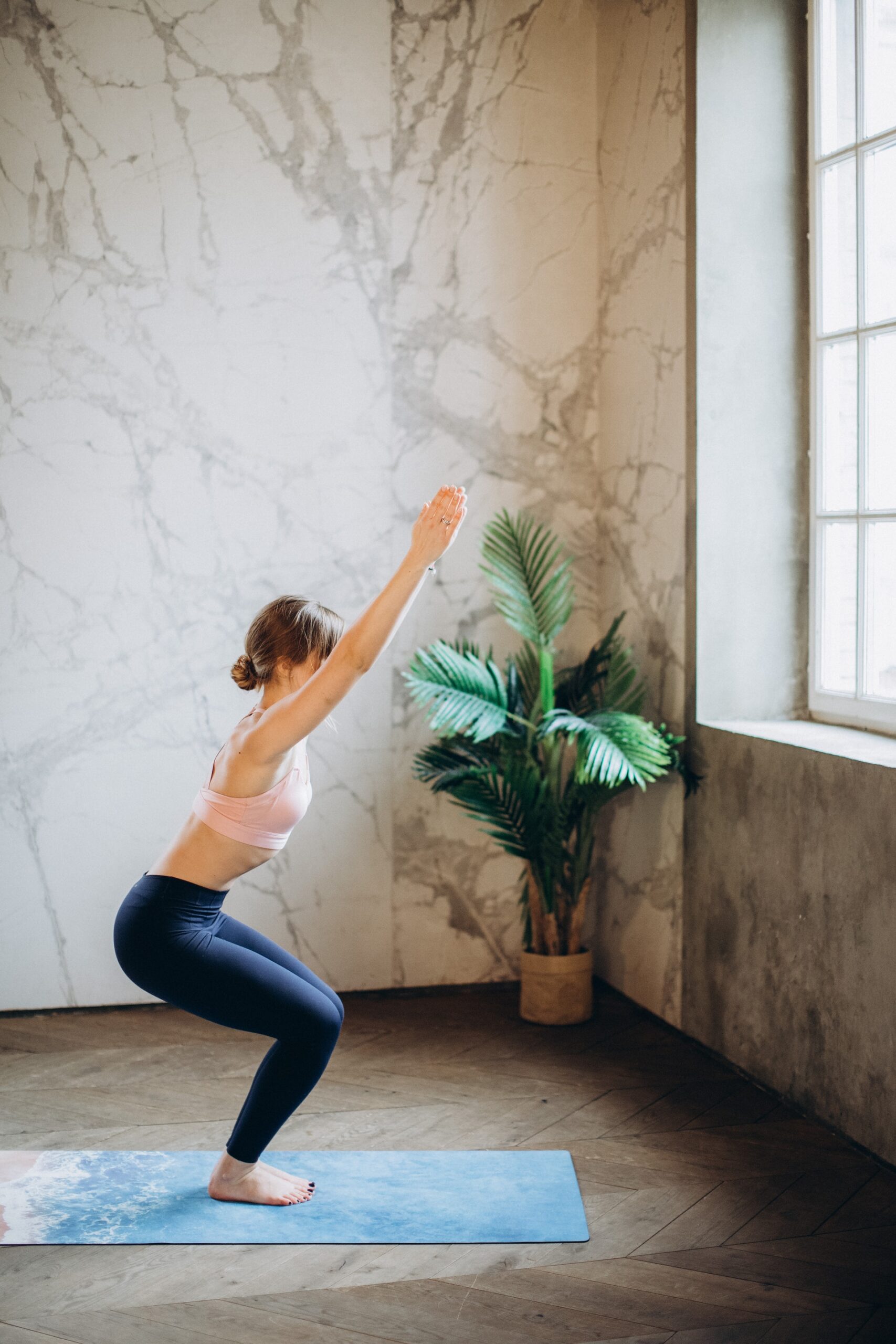
Three all-around good workouts for back pain are Yoga, Pilates and working with an exercise ball. Yoga and Pilates are great because, as long as your teacher knows your limitations, they can be adapted safely for most people with back pain.
Yoga and Pilates are both fantastic mind-body workouts that can dramatically improve your overall fitness and wellbeing if regular practice is put into place. In terms of flexibility, both workouts can improve overall flexibility as well as increase spinal flexibility. Increasing spinal flexibility will really help to improve your fitness performance, in addition to helping prevent injuries.
Pilates focuses on spinal flexibility through the articulation of the spine. It is excellent as a strengthening exercise and supporting your back. Pilates and Yoga stretch benefits include improving your posture, helping support the spinal column, and alleviating back pain. However certain postures such as deep back bends and cobras can be a bit risky, especially if you suffer from any back pain.
If you’re following the trends in exercise and fitness, you’ve probably heard the phrase “core strength” or “core stability.” These terms refer to the muscles of your abdominals (stomach) and back and their ability to support your spine and keep your body stable and balanced, helping to prevent back pain.
The core muscles lie deep within the trunk of the body. They generally attach to the spine, pelvis and muscles that support the scapula. They stabilise these areas to create a firm foundation for co-ordinated movement of the legs and arms.
Core stability is also needed in everyday life, helping to keep you fit and to prevent injury when you are lugging those heavy shopping bags or doing the ironing. Rises in back pain incidence have been linked to the sedentary lifestyle that many of us lead. How about neck and shoulder pain? Time spent hunched over the desk instead of getting out and about can mean that we don’t pay enough attention to posture, and the muscles of those crucial “corset” muscles.
To strengthen your core stability:
Start by lying on your back with knees bent.
Your lumbar spine should be neither arched up nor flattened against the floor, but aligned normally with a small gap between the floor and your lower back. This is the “neutral” lumbar position you should learn to achieve.
Breathe in deeply and relax all your stomach muscles.
Breathe out and, as you do so, draw your lower abdomen inwards as if your belly button is going back towards the floor.
Hold the contraction for 10 seconds and stay relaxed, allowing yourself to breathe in and out as you hold the tension in your lower stomach area.
Repeat 5-10 times.
Bear in mind the following points:
Do not let the whole stomach tense up or your upper abdominals bulge outwards, as this means you have cheated by using the large rectus abdominus muscle (the six-pack).
Do not brace too hard; just a gentle contraction is enough. Remember it’s endurance not max strength your are trying to improve.
Do not tilt your pelvis nor flatten your back, as this means you have lost the neutral position you are trying to learn to stabilise
Do not hold your breath, as this means you are not relaxed. You must learn to breathe normally and maintain the co-contraction.
Use your fingers for biofeedback on either side of your lower abdomen to feel the tension.
Once you have mastered the abdominal hollowing lying on your back, practise it lying on your front, four-point kneeling, sitting and standing. In each position get your lumbar spine into neutral before you perform the hollowing movement. If you feel any pain or discomfort while doing these exercises, then stop immediately and seek medical advice before continuing.
Could standing work desks be the answer to unwanted back pain?
Recent workplace trends show that many employers are now opting for standing work areas, rather than the more conventional seated desks, in a bid to prevent their workers suffering from back pain and to help increase their productivity in the office.
But are these innovative standing workspaces really the way forward to a healthy back, free from pain and discomfort? Here are three things to bear in mind if your work place decides that standing, rather than sitting, is best way forward:
Standing tall
Sitting and bending forward (as you tend to do in an office seat) can put twice as much load on your spine as standing does so standing desks could well be a better option for the office.
Take a break
While standing, however, it is important to remember that you should still take regular breaks as you would when sitting at a desk. Being stuck in one position, even if it is in a ‘good posture’, is not advisable.
The best of both
A desk set up that allows you to stand as well as sit is the most ideal situation, as this gives you the option to change position regularly. The more adjustable your desk set-up is, the more likely you are to find a position that suits you.
Correcting poor posture habits is essential to spine health. To avoid long-term health issues, it is best to start to develop good habits.
Your sleeping posture is more important than you may think. If you sleep on your side, place a flat pillow between your legs and knees to help keep your spine straight and aligned.
Always use a supportive pillow under your head to properly align and support your shoulders and skull. Sleeping on your side or back is almost always better than sleeping on your stomach.
Driving posture is also very important. Move your seat up so that you can depress both foot pedals all the way to the ground with your knees remaining bent. Your back should remain against the seat. Recline the back of the seat very little, by only about 5 degrees.
If there is a height adjustment, raise the seat so that your hips align with your knees. If an adjustment isn’t available, consider buying a cushion. Your head should never reach the ceiling and cause you to slouch. The top of your headrest should match the top of your skull. If possible, tilt the headrest forward so that it’s no more than 4 inches from your head.
When it comes to standing posture, stand with your heels, hips, and shoulders aligned. Do not shrug your shoulders forward, roll them back slightly and allow your arms to naturally hang at your sides. Make sure you keep your feet shoulder-width apart.
These are all ways you can straighten your back naturally. Give them a try and see if you notice a difference.
Ask your chiropractor to learn more about posture tips.
Children are back in the classrooms, running around playgrounds and playing sports. However, children, like adults, can be prone to back pain, and there can be several causes.
The most common causes of joint and back pain in school children are:
Lack of exercise or excessive exercise
Weight of school bags
Bad posture
Poorly set up desks
Use of a computer or computer games
Sports injuries
Ill-fitting shoes/improper shoes
Lack of exercise and excessive exercise
The general finding from various studies is that children involved in competitive sports and those who are sedentary are more prone to getting low back pain while those that participated in moderate activity were protected. The children involved in competitive sports run the risk of getting repetitive strain injuries. Those children who are sedentary are often those who sit and watch a lot of television or play on a computer. The implication of this will be discussed below.
Weight of school bags
School bags are exceptionally heavy for those attending secondary school due to the number of different subjects covered and therefore the number of textbooks required and the fact the children often have to move between classes. Not all children have access to lockers, which mean that books have to carried with them. Bags carried on one shoulder causes an asymmetry of the body and therefore certain muscles will have to tighten and others lengthen in order to carry the bag. These kind of imbalances can cause long-term problems.
Bad posture
All aspects of life can induce bad posture; lack of exercise, weight of school bags, spending too much time playing computer games or on the computer, incorrect shoes, and growth. Those children who grow faster and become taller than their peers may slouch in order to not tower above their friends and this can ultimately lead to bad posture.
Poorly set up desks
Whether at school or home, ill fitting desks can lead to bad posture. School desks and chairs cannot cater for the individual heights of children and, as mentioned earlier, the children often have to move between classes. The desks and chairs are uniform and unable to be altered to the child’s individual needs. Guidance on correct desk set up should be implemented at home; not just for the kids but also for everyone in the family who uses the desk. At school this can’t be done, but by advising the child to sit upright and not to slouch and not to cross the legs will help.
Use of a computer or computer games
Any body position requires certain muscles to shorten and others to lengthen. This occurs every time we move. If we were to stay in one position for too long those muscles will eventually stay that particular length. When children play on computer games it quite often requires time. This leads to the above situation with muscles. Children should be encouraged to not spend longer than 30-40 minutes at any one time playing games, using a computer, or even doing homework before having a break. The child should spend a few minutes walking around and then returning to the game/homework by reviewing their posture and sitting correctly.
Sports injuries
Those children who play a lot of sport and those who play contact sports such as rugby may be injured either by direct contact or by overuse of certain muscles. If a child is injured it is advisable that they are seen by a chiropractor as problems unresolved can lead to compensations, ie walking differently due to sprained ankle leading to low back pain, a rugby tackle causing neck pain and headaches.
Ill-fitting shoes/improper shoes
Children are conscious of fashion, which can affect their shoe wear. Girls particularly may wear shoes with a high heel. This causes the calf muscles to shorten and pushes the body forward. To prevent falling over the girl would have to lean back and causing an increase in the low back curvature which can not only cause low back pain but also pain between the shoulder blades.
Wearing improperly fitting shoes can cause many problems from blisters, pressure sores and ingrowing toenails in the short-term, to feet deformities like hammer toe, and knee and posture problems in the long-term. It can take up to 18 years for feet to fully develop, so teenagers feet need to be looked after just as much as younger children’s.
Shoes should be the correct size and offer the right amount of support. When purchasing new shoes, get the child’s feet correctly sized by the shop assistant and ensure that the shoes are the correct length as well as width.
Here’s some advice to help your child:
Rucksacks should be worn across both shoulders and the straps adjusted so the bag is held close to the body.
If a locker is available, encourage your child to use it and ensure they only take the books and equipment needed for that day.
Check their shoes are correctly fitted, supported, relatively flat, and are not too worn.
Encourage your child to enjoy regular exercise, such as swimming and cycling.
Use of the computer, playing computer games and homework should be in blocks of no more than 30-40 minutes. Advise them to have a little walk before returning and again that they sit with their shoulders down and back (not slumped) and their legs are uncrossed.
See a chiropractor if your child is experiencing pain or discomfort, or even just to get a check up.
The gut, often referred to as our “second brain,” plays a vital role in our overall health, from digestion to immune function and even mental well-being. Let’s unpack how you can nurture your inner ecosystem for optimal gut health.
Understanding the Gut-Health Connection
The intricate ecosystem within our digestive system, comprising of trillions of microbes, influences our health in numerous ways. Poor gut health has been linked to digestive disorders, inflammation, weakened immunity, and even mental health issues. Fortunately, with a few dietary and lifestyle tweaks, you can cultivate a thriving gut environment and enjoy the benefits of a healthier, happier you.
Embrace a Plant-Centric Diet
Plant-based foods are the heroes of gut health. Fill your plate with a rainbow of fruits, vegetables, whole grains, legumes and nuts. These fibre-rich foods nourish beneficial gut bacteria, promote regular bowel movements and provide essential vitamins and minerals for optimal digestive function.
Include Fermented Foods
Fermented foods are gut health superstars. It is well worth Incorporating foods like yogurt, kefir, sauerkraut, kimchi, and kombucha into your diet. These probiotic-rich delicacies introduce beneficial bacteria to your gut, fostering a diverse microbiome and enhancing digestion and nutrient absorption.
Reduce Processed Foods and Added Sugars
Bid farewell to heavily processed foods and excessive added sugars. These culprits can disrupt the balance of gut bacteria, contribute to inflammation, and compromise digestive health. Opt for whole, unprocessed foods and natural sweeteners like honey or maple syrup in moderation.
Stay Hydrated
Proper hydration is key to a healthy gut. Water aids digestion, promotes regular bowel movements, and helps maintain the optimal balance of digestive juices. Aim to drink at least 8 glasses of water a day, and consider herbal teas or infused water for added flavor and benefits.
Manage Stress
Believe it or not, stress can wreak havoc on your gut health. Chronic stress disrupts the delicate balance of gut bacteria and impairs digestive function. Incorporate stress management techniques such as meditation, deep breathing exercises, regular exercise, or engaging in hobbies that bring you joy.
Prioritise Sleep
Quality sleep is a vital component of gut health. Aim for 7-8 hours of uninterrupted sleep each night. Poor sleep has been linked to imbalances in gut bacteria and increased susceptibility to digestive issues. Create a relaxing bedtime routine and optimise your sleep environment for a restful night’s sleep.
Move Your Body
Regular physical activity is not only beneficial for your overall health but also supports gut health. Exercise helps stimulate digestion, improve bowel regularity and reduce inflammation. Find activities you enjoy, such as walking, yoga, dancing, or cycling, and aim for at least 30 minutes of moderate exercise most days of the week.
Mindful Eating
Slow down and savour your meals. Engage your senses, chew your food thoroughly, and be mindful of your hunger and fullness cues. Mindful eating promotes better digestion, aids nutrient absorption, and allows you to fully enjoy and appreciate your food.
Experiment with Gut-Friendly Foods
Certain foods can be particularly beneficial for gut health. Consider incorporating ingredients like ginger, turmeric, garlic, onions and olive oil into your meals. These ingredients possess anti-inflammatory and antimicrobial properties that support a healthy gut ecosystem.
Seek Professional Guidance
If you’re experiencing persistent gut health issues, please seek a healthcare professional for how to move forward.